
Madagascar Wildlife Conservation Internship
Overview
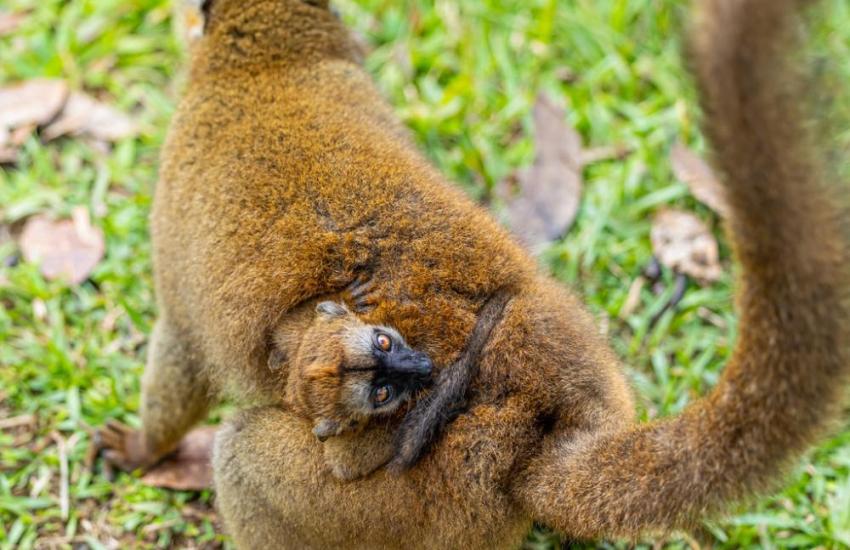
Spend four weeks on Nosy Be, a rainforest island off Madagascar's north-west coast and one of the most biodiverse places on Earth. As a conservation intern you will work side by side with our field team and Madagascar National Parks partners to protect lemurs, chameleons and the threatened forests they call home.
It is hands-on, outdoors and genuinely useful: the data you collect feeds directly into the research and protection plans that keep these species safe. No prior experience is needed — just curiosity, energy and a willingness to get stuck in.
Programme structure
The internship runs over four weeks in three connected phases. You begin with a grounding in tropical ecology, species identification and field-survey methods. From there you move into daily fieldwork — transect surveys, camera-trap monitoring and habitat assessments — before finishing by helping to analyse and present your findings to the wider team.
Learning outcomes
By the end of your four weeks you will have real, demonstrable field-research skills — species identification, survey design, data collection and habitat assessment — plus the confidence that comes from contributing to live conservation work. You leave with a portfolio of practical experience that stands out to universities and employers alike.
Certification
On successful completion you receive the Impact-Trails Wildlife Conservation Field Certificate, recognising the field skills and project hours you have completed.
Itinerary / typical week
A typical week mixes early-morning surveys, daytime fieldwork and evening data sessions — around 35–40 hours of fieldwork in all. Expect lemur and reptile transects, reforestation and tree-nursery work, community education sessions and the occasional reef snorkel survey. Weekends are yours to explore the island.
The location
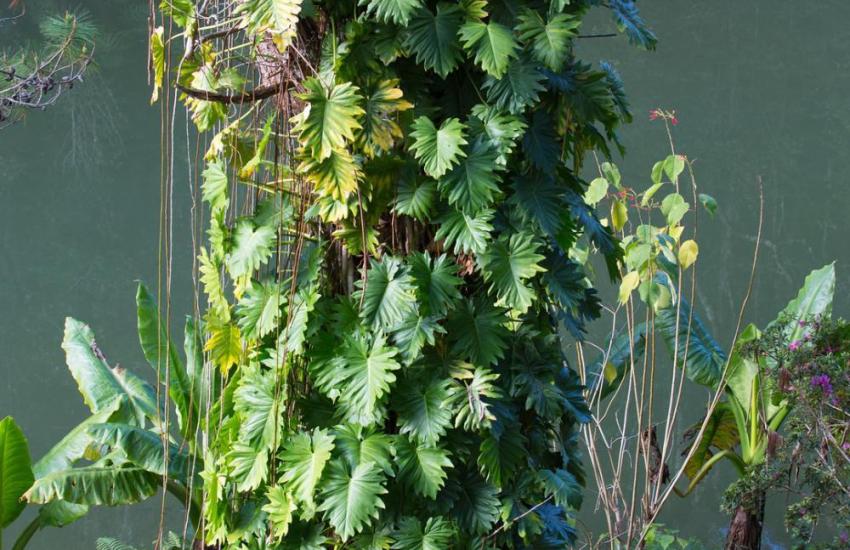
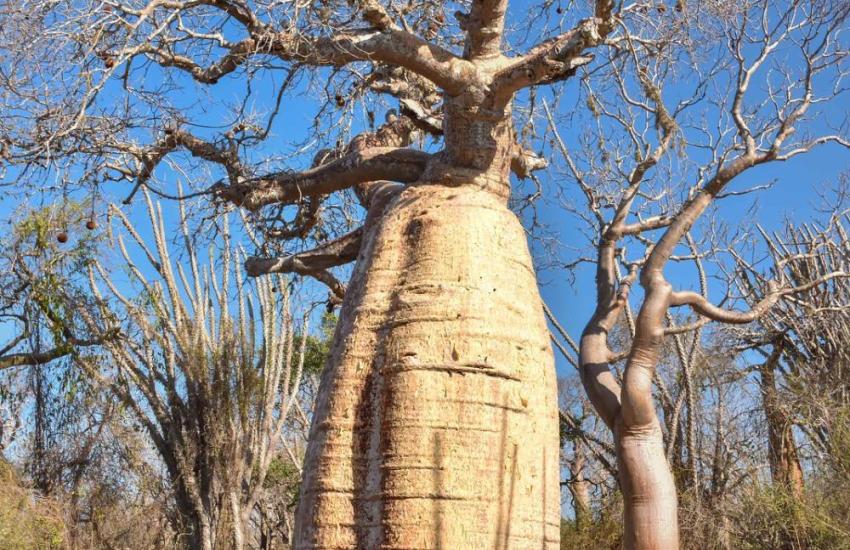
You will be based on Nosy Be and its surrounding reserves, a patchwork of tropical rainforest, mangroves and coastline teeming with life. Endemic lemurs move through the canopy, dozens of reptile and amphibian species shelter in the leaf litter, and the warm waters offshore support vibrant coral reefs.
It is remote, wild and unforgettable — and a frontline for one of conservation's most urgent stories.
Career impact & alumni
Conservation is built on field experience, and this is exactly the kind that opens doors. Graduates join our global alumni network, and many go on to degrees, master's programmes and careers in ecology and environmental science. We are always happy to provide a reference for your next step.
Dates & prices
It's free to apply. The full programme fee is paid securely in your member portal for successful applicants — and can be spread over instalments. Grants and scholarships are also available.
What's included
Accommodation at our field station, all meals, airport pick-up and in-country transport, every project cost, full training and mentoring, conservation equipment, and 24/7 in-country support from our team.
International flights, visa, travel insurance, vaccinations and personal spending money.
Accommodation
You will stay in comfortable shared rooms at our island field station, a short walk from both the forest and the sea. Meals are freshly prepared with plenty of local fruit, and there is communal space to relax with your team after a day in the field.
Eligibility & requirements
Open to anyone aged 18 and over with enthusiasm and a willingness to work outdoors in a tropical environment. No prior conservation or scientific experience is required — we will teach you everything you need.